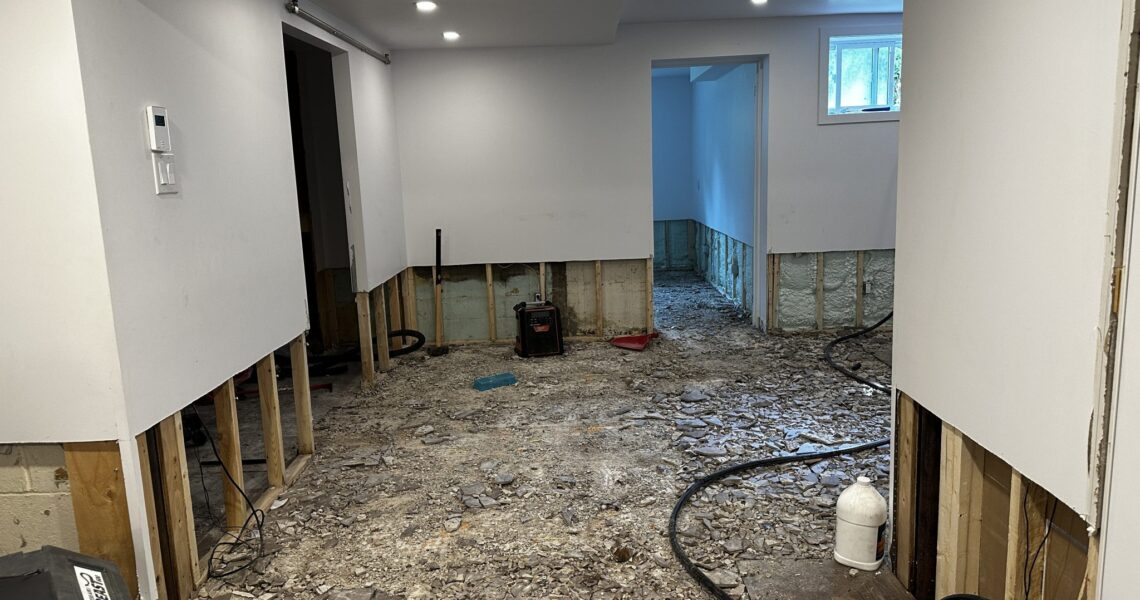
Winter in Toronto brings unique challenges, with frozen pipes, snowmelt, and heavy storms increasing the risk of emergency basement flooding. At Flood Assist, we understand the urgency of addressing seasonal flooding to protect your home in the GTA. This guide outlines critical steps for winter flood response in Toronto, optimized for flood safety and rapid recovery, ensuring your property is safeguarded against costly damage.
Why Winter Floods Are a Growing Concern in Toronto
Toronto’s harsh winters, combined with climate change, have led to a surge in basement flooding incidents. Data from the City of Toronto indicates over 1,200 flood-related insurance claims annually, many tied to winter conditions like burst pipes or rapid snowmelt. Acting quickly with a winter flood emergency plan can prevent mold, structural damage, and health hazards.
Step 1: Prioritize Safety During a Winter Flood Emergency
Flood safety comes first in any Toronto winter flood emergency. If water is rising or electrical hazards are present, evacuate immediately and contact professionals. Avoid touching floodwater, which may contain contaminants from sewage backup or road salts. Shut off your home’s power if safe, as water and electricity pose serious risks.
Step 2: Identify and Stop the Flood Source
Winter floods often stem from frozen pipes or burst pipes, snowmelt seeping into basements, or clogged drains. Locate your main water valve to stop pipe-related flooding. For external water from melting snow, use sandbags to divert flow. Flood Assist recommends insulating pipes and clearing drainage systems before winter to reduce risks, as highlighted in our blog on Preventing Winter Plumbing Floods Toronto.
Step 3: Document Damage for Insurance Claims
Photograph and video the flooded areas, noting the date and extent of damage. This documentation is vital for water damage insurance claims Toronto, streamlining the process described in our guide Insurance Claims for Water Damage in Toronto & GTA. Keep records of any emergency repairs for reimbursement.
Step 4: Extract Standing Water Immediately
Remove standing water using pumps or wet vacuums designed for winter conditions, as cold temperatures can complicate extraction. Professional water extraction services, like those provided by Flood Assist, ensure thorough removal to prevent ice formation or hidden moisture, which can lead to mold growth.
Step 5: Dry and Dehumidify to Prevent Mold
Set up fans and dehumidifiers to dry your basement, even in cold weather. Open windows if temperatures allow, but avoid freezing pipes. Our structural drying Toronto services use advanced moisture detection to ensure no damp spots remain, reducing the risk of mold as covered in Mold Prevention After Floods Toronto.
Benefits of Professional Winter Flood Response
DIY efforts often miss hidden moisture, especially in winter when drying is slower. Flood Assist’s emergency basement flooding services in the GTA include industrial-grade equipment and expertise in reconstruction, ensuring your home is fully restored. Our team handles everything from water extraction to structural drying, saving you time and preventing long-term issues.
Winter Flood Prevention Tips
To avoid future emergencies:
- Insulate pipes to prevent freezing.
- Clear snow away from your foundation.
- Regularly inspect sump pumps and drainage systems.
- Consider flood-proofing measures, as discussed in Flood Proofing Toronto Home: Flood Assist Expert Tips.
Winter floods in Toronto demand swift action to minimize damage and protect your home. By following these steps and partnering with Flood Assist, you can navigate emergency basement flooding with confidence. Contact us for 24/7 professional support to restore your property and prevent future floods.