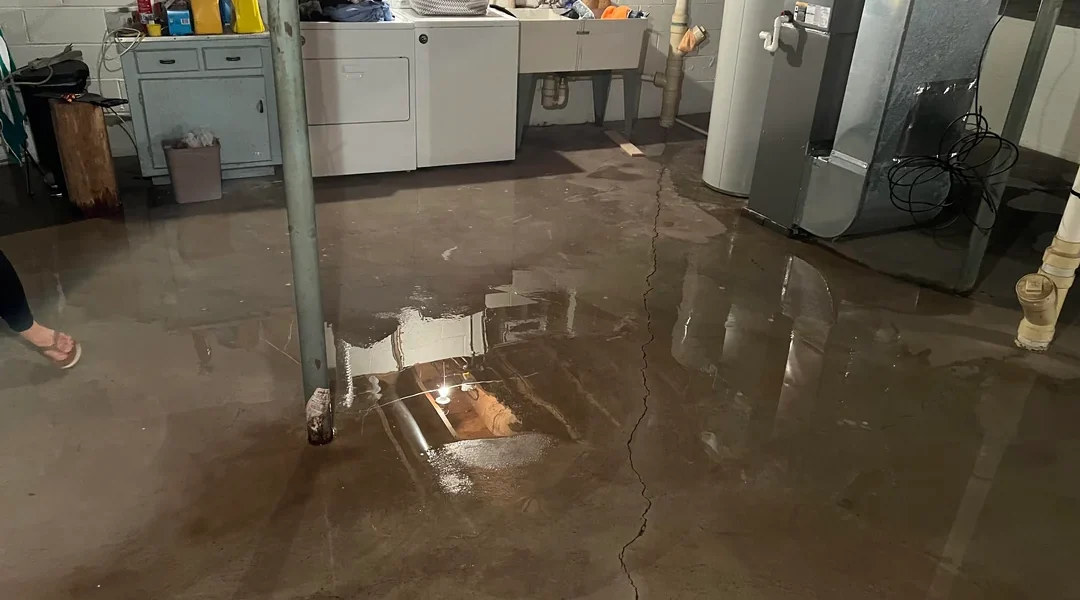
Laundry room flooding Toronto and basement flooding GTA are common issues for homeowners, especially during Toronto’s unpredictable weather. From burst washing machine hoses to heavy rainfall, these floods can cause significant damage if not addressed quickly. At Flood Assist, we specialize in emergency water damage restoration to help you recover fast. This guide provides actionable steps to handle laundry room and basement flooding, optimized for flood safety and effective recovery in the GTA.
Why Laundry Room and Basement Flooding Happens in Toronto
Toronto homes face unique flood risks due to aging infrastructure, heavy storms, and plumbing failures. Data from the City of Toronto shows over 1,200 annual flood-related insurance claims, with laundry rooms and basements being prime targets. Common causes include:
- Burst washing machine hoses: Wear and tear or freezing in winter can lead to leaks.
- Sewage backups: Clogged drains or city sewer overflows during storms.
- Poor drainage: Inadequate sump pumps or clogged drains exacerbate basement flooding.
Quick response is critical to prevent mold growth, structural damage, and costly repairs.
Step 1: Ensure Safety First
Flood safety is paramount during laundry room flooding Toronto or basement flooding GTA. Turn off the main power if it’s safe to avoid electrical hazards. Evacuate if water levels are rising or if sewage backup is present, as floodwater may contain contaminants. Wear protective gear like gloves and boots when assessing damage.
Step 2: Stop the Water Source
Identify the flood’s origin. For laundry room flooding, shut off the washing machine’s water supply or the home’s main water valve. For external flooding, use sandbags to block water entry. Flood Assist recommends regular maintenance of laundry appliances and drainage systems, as noted in our blog Preventing Winter Plumbing Floods Toronto.
Step 3: Document for Insurance Claims
Take photos and videos of the flooded laundry room and basement, capturing the extent of damage. Record the date and details for water damage insurance claims Toronto, as outlined in our guide Insurance Claims for Water Damage in Toronto & GTA. Proper documentation ensures a smoother claims process.
Step 4: Remove Standing Water
Use pumps or wet vacuums to extract water quickly. In laundry room flooding, focus on removing water trapped in flooring or walls. For larger basement flooding GTA, professional water extraction services like Flood Assist’s are essential to prevent incomplete removal, which can lead to mold.
Step 5: Dry and Dehumidify
Set up fans and dehumidifiers to dry affected areas thoroughly. Structural drying Toronto services, like those we offer, use advanced moisture detection to eliminate hidden dampness. This step is crucial to prevent mold growth, as discussed in Mold Prevention After Floods Toronto.
Benefits of Professional Flood Response
DIY efforts may miss hidden moisture, leading to long-term issues. Flood Assist’s emergency water damage restoration services in the GTA use industrial-grade equipment for water extraction, structural drying, and reconstruction. We ensure your laundry room and basement are fully restored, minimizing health risks and repair costs.
Prevention Tips for Laundry Room and Basement Flooding
To reduce future risks:
- Inspect washing machine hoses annually and replace worn ones.
- Install a sump pump with a battery backup for basement flood prevention.
- Clear drains and gutters regularly to avoid blockages.
- Consider flood-proofing measures, as detailed in Flood Proofing Toronto Home: Flood Assist Expert Tips.
Laundry room flooding Toronto and basement flooding GTA require swift action to protect your home. By following these steps and partnering with Flood Assist, you can address emergency water damage effectively. Contact us 24/7 for professional water damage restoration and peace of mind.